
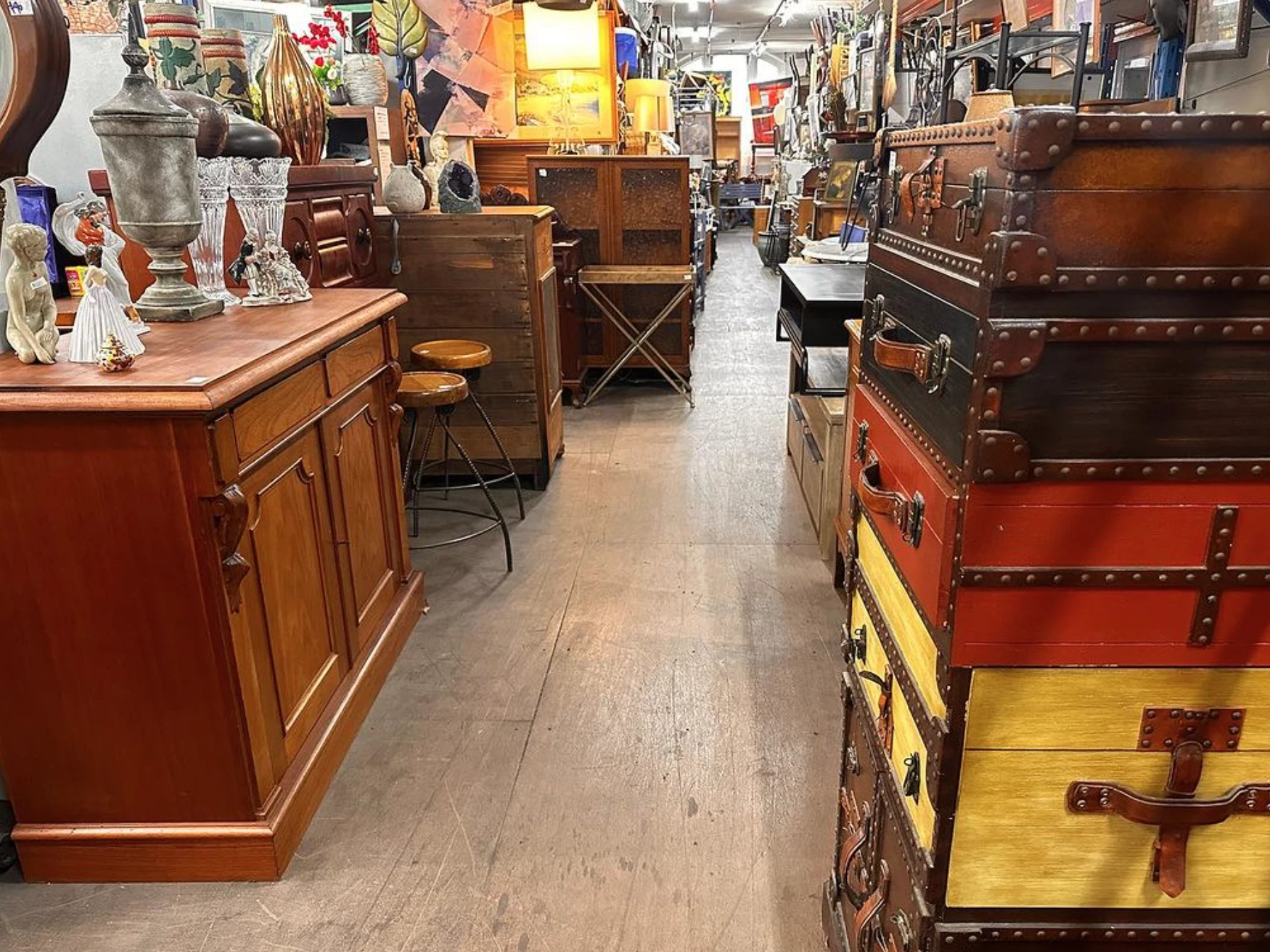
They work differently from standard showrooms because pricing, stock availability, and warranties can vary by item, not by brand range. That is why buyers often get great value, but need to shop with a plan.
What exactly is a furniture outlet?
A furniture outlet is a store or warehouse-style retailer that focuses on discounted stock rather than full-price collections. They typically sell items that must move quickly due to space, season changes, or supplier updates.
In Australia, this might include sofas, dining settings, mattresses, bedframes, and outdoor furniture, often from well-known retailers or manufacturers, but sold under different terms.
How does a furniture outlet get its stock?
Most furniture outlet store stock comes from a few common channels: clearance lines, discontinued ranges, cancelled customer orders, freight-damaged cartons, and floor display models. Some outlets also buy bulk lots from manufacturers who need to clear space.
Because supply depends on what becomes available, a furniture outlet usually has inconsistent inventory. What is on the floor today may not be there tomorrow.
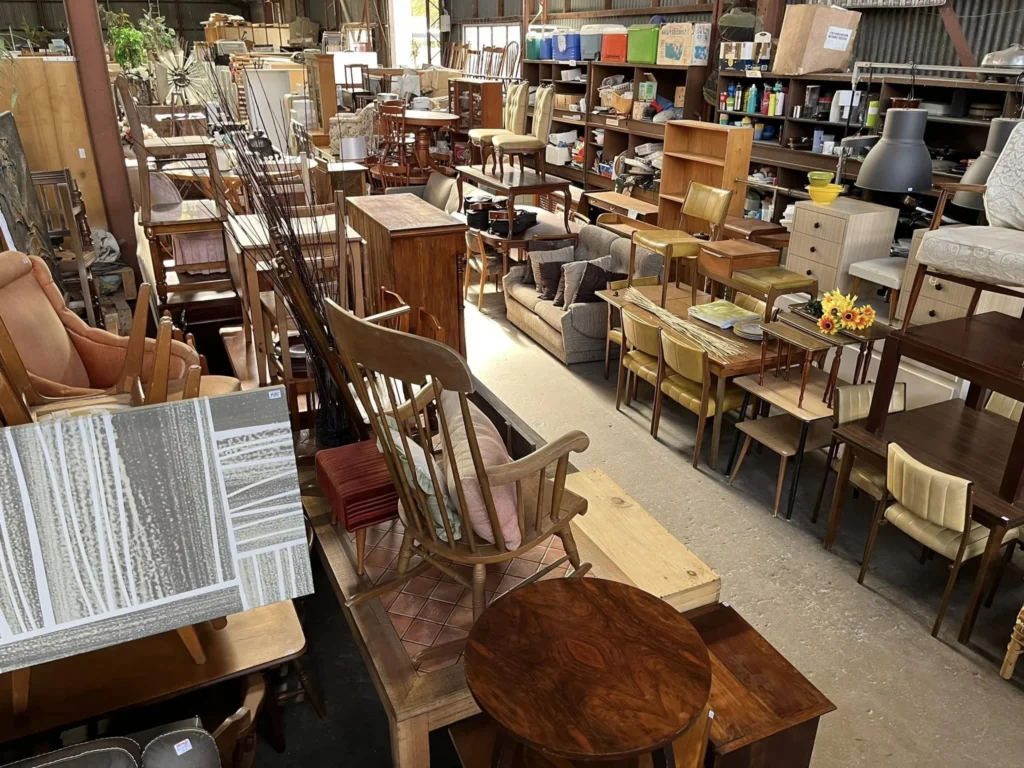
What kinds of furniture do they usually sell?
A furniture outlet often carries the highest-demand categories, including lounges, recliners, dining tables, chairs, beds, mattresses, TV units, and storage. Many also stock outdoor settings, especially around end-of-season periods.
The range tends to be practical rather than fully custom. If they need a specific size, fabric, or configuration, a regular retailer may be a better fit.
Why are the prices lower than normal retailers?
Prices are lower because a furniture outlet is designed to clear stock quickly, not hold it for long-term browsing. Items may be discounted due to minor imperfections, older packaging, display use, or because the product line has been replaced.
In Australia, outlets also keep costs down with simple warehouse fit-outs and faster turnover. The savings are usually built into the business model, not a short-term promotion.
Are outlet items new, used, or refurbished?
A furniture outlet can sell a mix of item conditions, and the label matters. “New in box” usually means unused stock, while “ex-display” means it sat on a showroom floor and may show light wear.
“Factory seconds” can mean minor cosmetic faults, and “returns” may have been opened or assembled. They should check condition notes and inspect the piece in person where possible.
What should buyers inspect before purchasing?
They should inspect frames, joints, legs, drawers, runners, and upholstery seams, especially on lounges and beds. On timber pieces, they should look for chips, swelling, scratches, and uneven finishes. A thorough furniture quality inspection can help identify visible issues before the purchase is completed.
If it is a mattress, they should confirm hygiene sealing and return policies. For any furniture outlet deal, it helps to check the tag for model name, dimensions, and any faults already recorded.
How do warranties and consumer rights work in Australia?
Even when buying from a furniture outlet, Australian Consumer Law still applies. They are generally entitled to remedies if a product has a major failure, is not as described, or is not fit for purpose.
That said, warranties can differ between new, seconds, and clearance goods, and some faults may be disclosed at sale. They should ask what is covered, get it in writing, and keep the receipt.
Can they return or exchange outlet furniture?
Many outlets have stricter return policies, especially for change-of-mind returns. A furniture outlet may offer exchanges, store credit, or no change-of-mind returns at all, particularly on clearance and bedding.
However, consumer guarantees still apply for faults. They should read the furniture returns policy before paying and confirm how disputes are handled if the item arrives damaged. Checking these details upfront can make it easier to understand their options if something goes wrong after delivery.
How does delivery work with a furniture outlet?
Delivery can be quicker or slower depending on whether the item is in stock and ready to go. Some furniture outlet stores offer immediate pickup, while others deliver from a separate warehouse or supplier.
They should confirm delivery timeframes, access requirements, stair fees, and whether the delivery team removes packaging. In Australia, metro delivery is usually easier; regional delivery may have higher costs or longer lead times.
What is the catch, if any?
The main trade-off is choice and certainty. A furniture outlet may not have multiple colours, sizes, or matching sets available, and popular pieces can sell fast.
Some items may have cosmetic faults, missing parts, or limited warranty coverage. If they need perfection, a specific finish, or a full-room matching package, the outlet model may feel limiting.
How can they compare value properly?
They should compare the outlet price against the same model’s current retail price, not an inflated “was” price. It also helps to factor in delivery, assembly, and any repairs they may need to do.
For a fair comparison, they should check material specs like timber type, foam density, suspension system, and fabric grade. A cheap price at a furniture outlet is only a bargain if the build quality fits the household’s needs.
When is the best time to shop at an outlet in Australia?
Outlet stock can be strong around major clearance cycles, including end-of-financial-year sales, Boxing Day, end-of-season outdoor clearances, and when retailers refresh ranges. Weekdays can also be easier for inspection and negotiation.
They can improve their odds by checking online listings early and visiting quickly when a new batch arrives. With a furniture outlet, timing often matters more than brand loyalty.
Should they negotiate on price at an outlet?
Sometimes they can, especially on ex-display items or pieces with visible marks. A furniture outlet may also discount further if they buy multiple items, pay on the spot, or take delivery quickly.
Still, some outlets run fixed pricing with tight margins, so negotiation is not always possible. The best approach is polite and specific, focusing on condition, missing packaging, or delivery flexibility.
Who is a furniture outlet best suited for?
A furniture outlet suits renters, first-home buyers, families furnishing quickly, and anyone who values savings over perfect availability. It can also suit property stylists, landlords fitting out rentals, and buyers who can transport items themselves.
They tend to do best when they are flexible on colour, minor blemishes, and matching pieces. If they shop with measurements ready, they can move fast when the right deal appears.
How should they shop smart at a furniture outlet?
They should arrive with room measurements, door and hallway widths, and a clear list of priorities. Taking photos of the space and noting existing colours helps avoid expensive mistakes.
What is the simplest way to summarise how a furniture outlet works?
Before paying, they should confirm stock condition, warranty terms, delivery costs, and whether all parts are included. Shopping smart at a furniture outlet is mostly about asking the right questions and inspecting carefully.
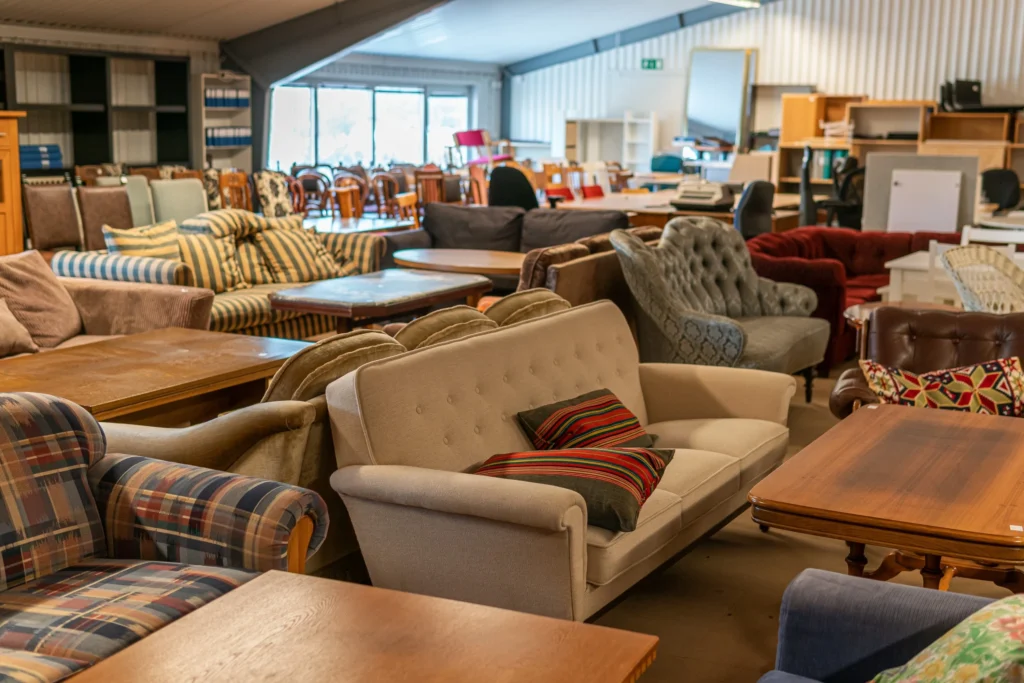
What Does Furniture Seconds Factory Outlet Sydney Actually Mean?
A furniture outlet works by selling discounted furniture that needs to move quickly, often due to clearance, display use, overstock, or minor faults. Buyers can save money, but they need to act fast, inspect items thoroughly, and confirm the outlet’s policies before making a purchase.
For many Australian households, a well-chosen furniture outlet purchase can deliver the best mix of value and practicality, especially when flexibility matters more than customisation.
FAQs (Frequently Asked Questions)
What is a furniture outlet and how does it differ from standard retail stores?
A furniture outlet is a retail store or warehouse-style retailer that sells furniture at reduced prices, often due to stock being end-of-line, ex-display, clearance, factory seconds, or returned items. Unlike standard showrooms, pricing, stock availability, and warranties can vary by individual item rather than by brand range, offering buyers great value but requiring them to shop with a plan.
Where do furniture outlets in Australia typically get their stock?
Furniture outlets acquire their stock from clearance lines, discontinued ranges, cancelled customer orders, freight-damaged cartons, floor display models, and sometimes bulk lots from manufacturers needing to clear space. This results in inconsistent inventory where items available today may not be there tomorrow.
What types of furniture are commonly sold at Australian furniture outlets?
Australian furniture outlets usually carry high-demand categories such as lounges, recliners, dining tables and chairs, beds, mattresses, TV units, storage solutions, and outdoor furniture—especially during end-of-season periods. The selection tends to be practical rather than custom-made.
Why are prices lower at furniture outlets compared to regular retailers?
Prices are lower because furniture outlets focus on quickly clearing stock rather than holding it for long-term browsing. Discounts may reflect minor imperfections, older packaging, display use, or replaced product lines. Additionally, simple warehouse setups and faster stock turnover help keep costs down in Australia.
Are items sold at furniture outlets new or used?
Furniture outlet items can be new in box (unused), ex-display (lightly used on showroom floors), factory seconds (minor cosmetic faults), or returns (opened or assembled). Buyers should check condition notes carefully and inspect pieces in person when possible to understand the item’s status.
What should buyers inspect before purchasing furniture from an outlet?
Buyers should thoroughly inspect frames, joints, legs, drawers, runners, upholstery seams on lounges and beds; check timber pieces for chips or scratches; confirm mattress hygiene seals; and review tags for model details and any disclosed faults. This helps ensure informed purchases from the varied condition stock typical of outlets.